

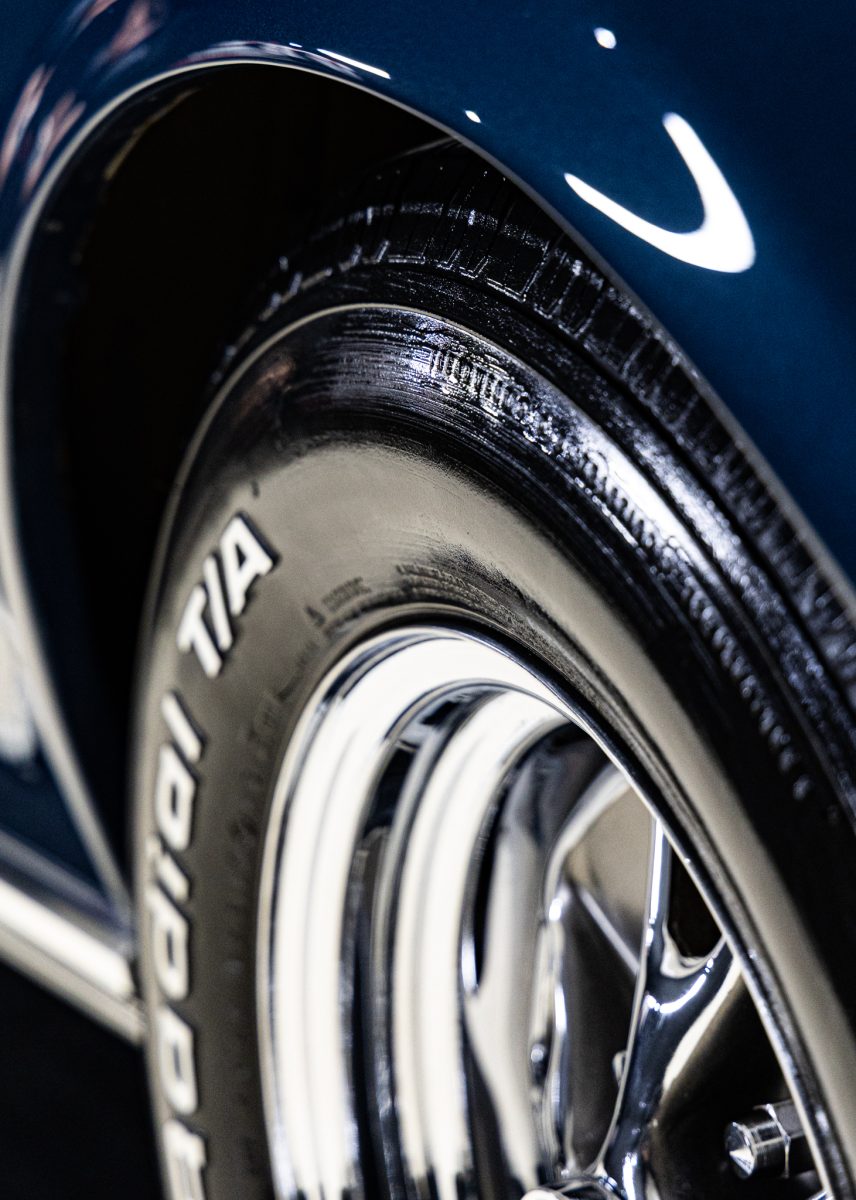
Wheels are the dirtiest part of your car and the hardest to clean. Here’s the four-step method that safely dissolves bonded brake dust and iron particles, leaving wheels bright and easier to maintain.
Short answer
Use Gtechniq W6/ Iron Remover to dissolve bonded brake dust and iron particles, agitate with a soft brush, rinse thoroughly, then finish with T1/ Tyre Gel. Total time: around 30 minutes. Car shampoo alone won’t cut it — wheels need a dedicated iron remover because brake dust is chemically bonded iron, not surface dirt.
The problem: wheels are the dirtiest part of your car
Your wheels take more punishment than almost any other surface on the vehicle. Every journey leaves behind a mix of brake dust, road film and fine contamination that builds up quickly and bonds to the surface over time.
Because of this, a quick wash with soapy water often isn’t quite enough to fully restore them. Even after cleaning, wheels can still appear slightly dull or not as refined as the rest of the car — simply because the most stubborn grime needs a bit more targeted attention.
What it isn’t
Brake dust isn’t surface dirt. It’s iron particles from brake pads that weld to the wheel face under heat and can’t be removed by regular shampoo.
What it is
A chemical bond between iron and the wheel finish. To break it, you need a product that converts bonded iron into a water-soluble compound — which is exactly what W6/ does.
The 4-step solution
Remove contamination with W6/
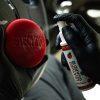
Spray Gtechniq W6/ Iron Removing Wheel & Paint Cleaner directly onto dry wheels. It’s a thick, gel-like formula designed to cling to vertical surfaces so it stays where you sprayed it instead of running off.
W6/ is formulated to offer the safest, most effective method of removing potentially damaging contamination commonly found on paintwork and rims. As it reacts with iron particles, you’ll see the product change colour — that’s the chemical bond being broken.
Agitate safely with a soft brush
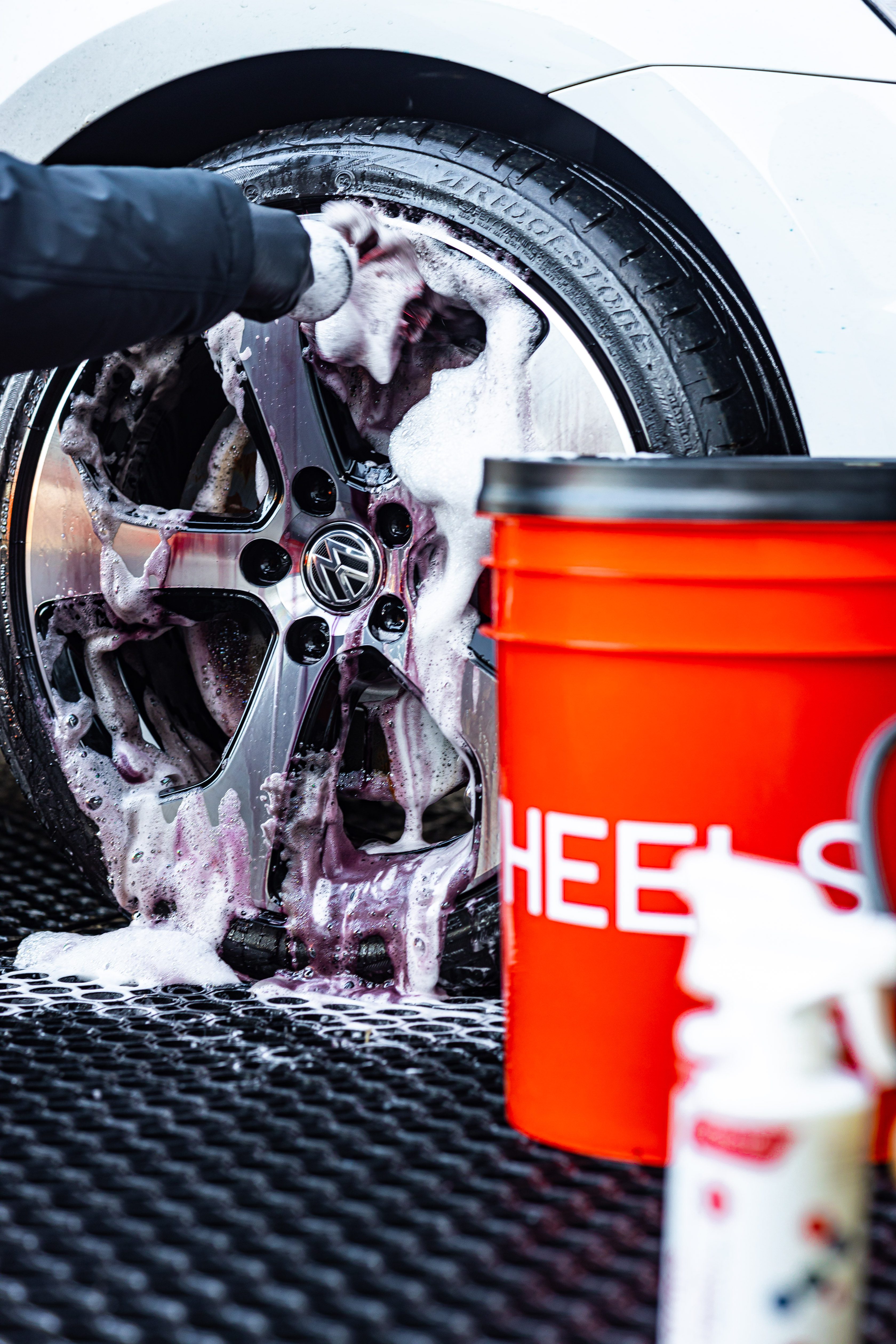
Use a soft detailing brush to work the product across wheel faces, nuts, and barrels. The goal is to lift loosened contamination, not to scrub hard. Aggressive scrubbing causes micro-scratches on painted or coated wheels — let the product do the work.
Rinse thoroughly
Rinse the wheel top-to-bottom with clean water to flush loosened contamination and any remaining cleaner residue. A pressure washer helps reach the inside of spokes and barrels without the need for contact.
Finish with T1/ Tyre Gel
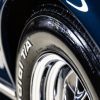
Dry the tyre sidewalls fully, then apply Gtechniq T1/ Durable Tyre Gel. One application leaves tyres with a deep, rich, non-slinging finish that protects against fading. Applying to a wet tyre prevents bonding and causes sling onto paintwork — always dry first. (Clean tyres with W5/ Citrus All Purpose Cleaner.)
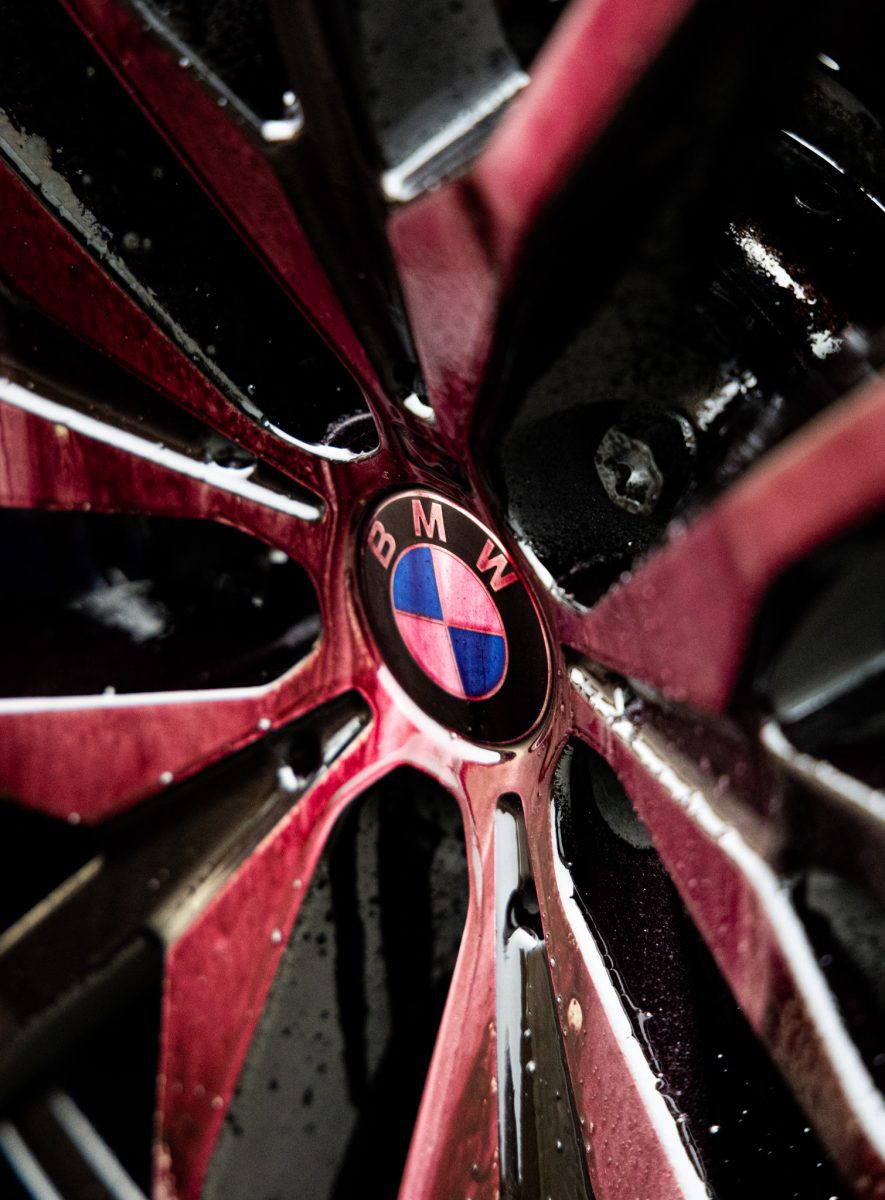
W6/ Iron Removing Wheel & Paint Cleaner
Gel-like formula that clings to vertical surfaces, chemically reacts with bonded iron particles, and rinses away safely. Safe on paint, alloys, and coated wheels.
The payoff
Bright, clean wheels
Finish restored to factory-level brightness without harsh acids.
No embedded grime
Iron particles removed at the chemical level, not just washed over.
Easier future maintenance
Starting from a clean baseline means weekly upkeep takes minutes, not hours.
Clean, finished tyres
Deep black sidewalls that don’t fade or sling product onto paintwork.
Four things most people get wrong
Using car shampoo instead of a dedicated wheel cleaner
Car shampoo is designed for light dirt, not bonded contamination. Brake dust and iron particles stick to wheels and won’t be removed by shampoo, leaving surfaces dull and contaminated over time. Use a dedicated iron remover to break these particles down safely.
Scrubbing aggressively to force dirt off
Aggressive scrubbing doesn’t clean better — it damages the finish. Excess pressure can cause micro-scratches, especially on painted or coated wheels. Let the product do the work and use soft brushes with light pressure.
Cleaning wheels in direct sunlight
Heat causes cleaning products to dry too quickly, which can lead to staining, streaking, or reduced effectiveness before the product has time to work. Always clean wheels on a cool surface, out of direct sunlight.
Applying tyre dressing to a wet tyre
Water prevents the dressing from bonding to the rubber, which causes uneven finish, sling onto paintwork, and reduced durability. Always dry tyres fully before applying dressing for an even, long-lasting finish.
Next step: protect what you just cleaned
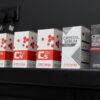
Cleaning solves the problem today. Coating solves it for the next year. The Wheel Coating Kit contains C5/ Wheel Armour — a ceramic coating designed for alloy wheels and callipers, resistant to temperatures up to 600°C. Once applied, brake dust no longer bonds to the surface, so wheels rinse clean with water instead of needing chemical intervention every few weeks.
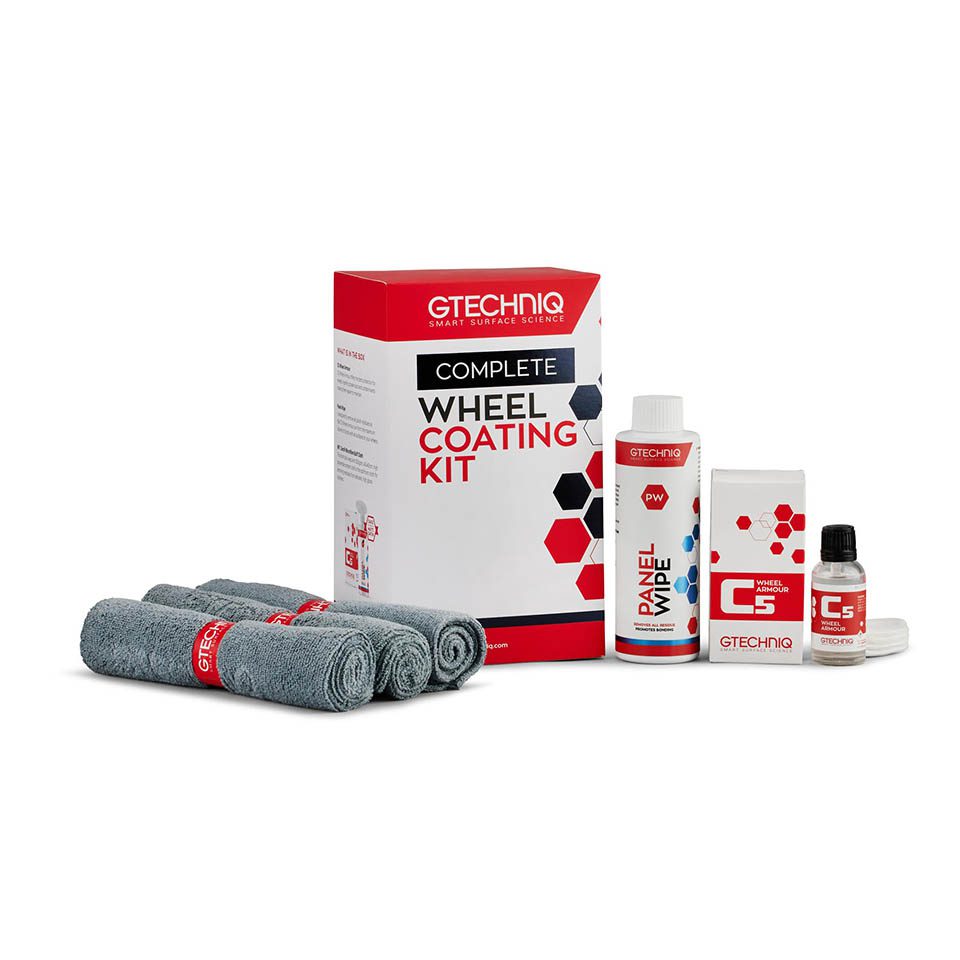
Wheel Coating Kit — 12-month brake-dust protection
Contains C5/ Wheel Armour, an extremely durable ceramic coating engineered for alloy wheels and callipers. Resistant to temperatures up to 600°C. One application lasts around 12 months.